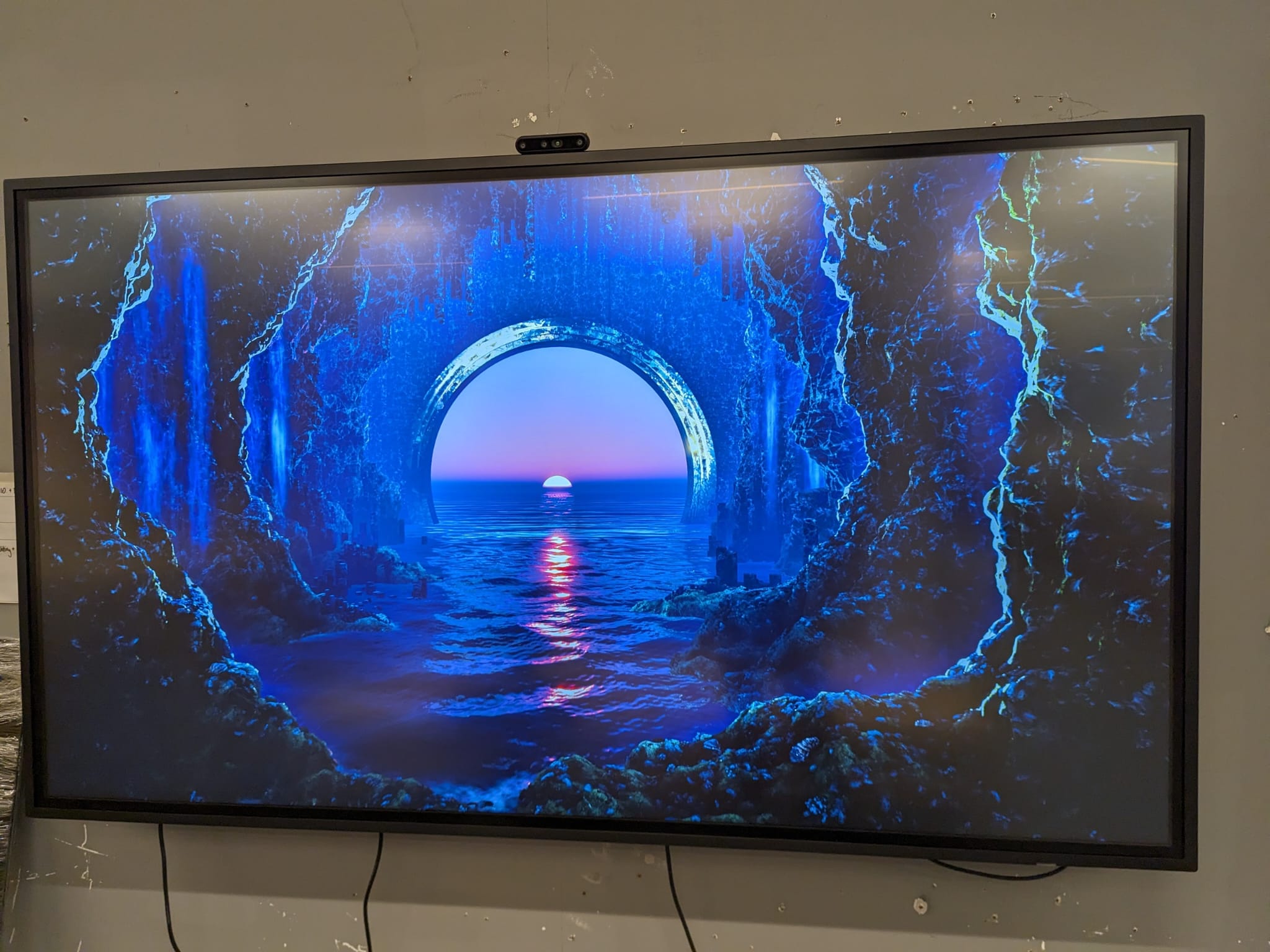
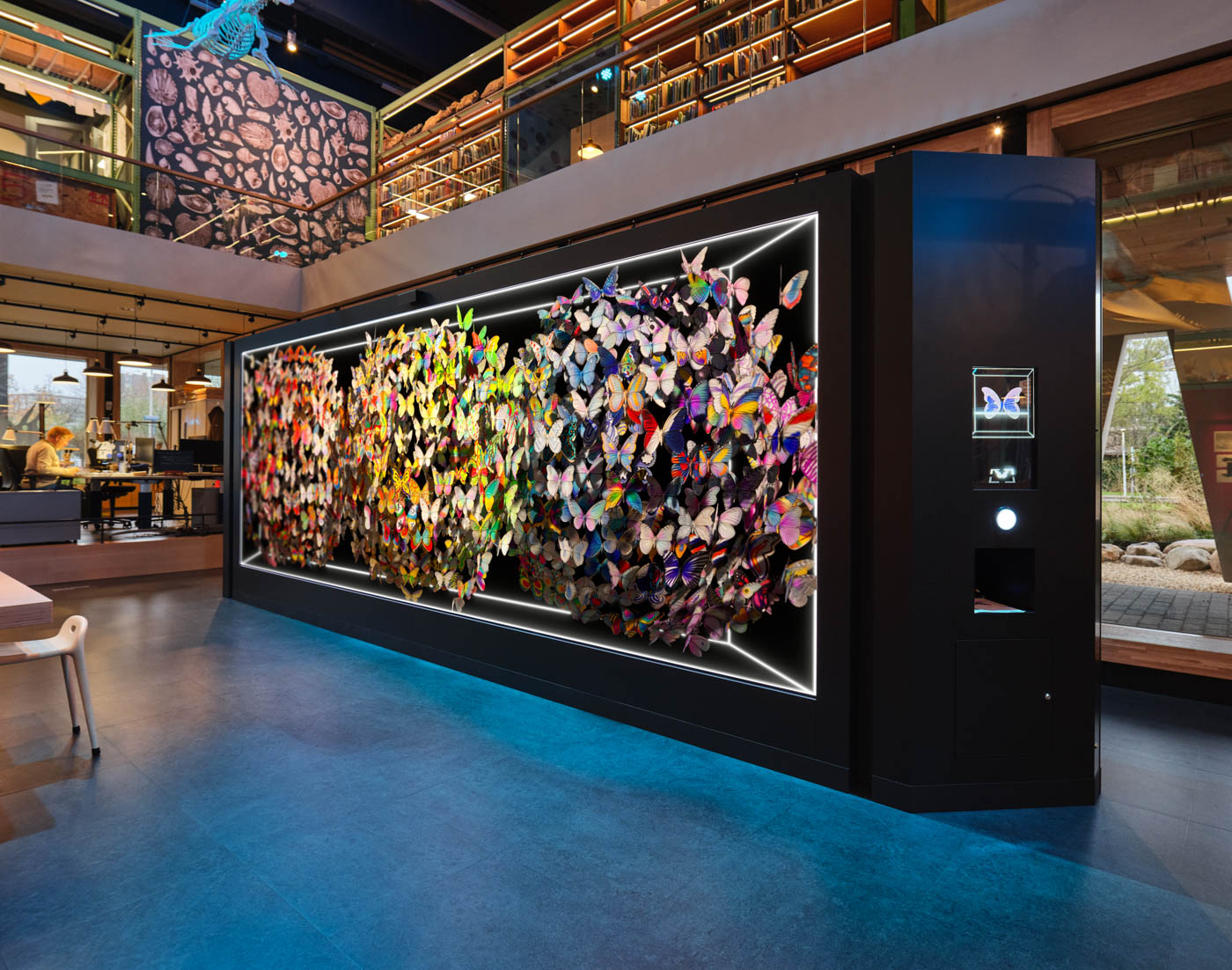
Origins of Imagination
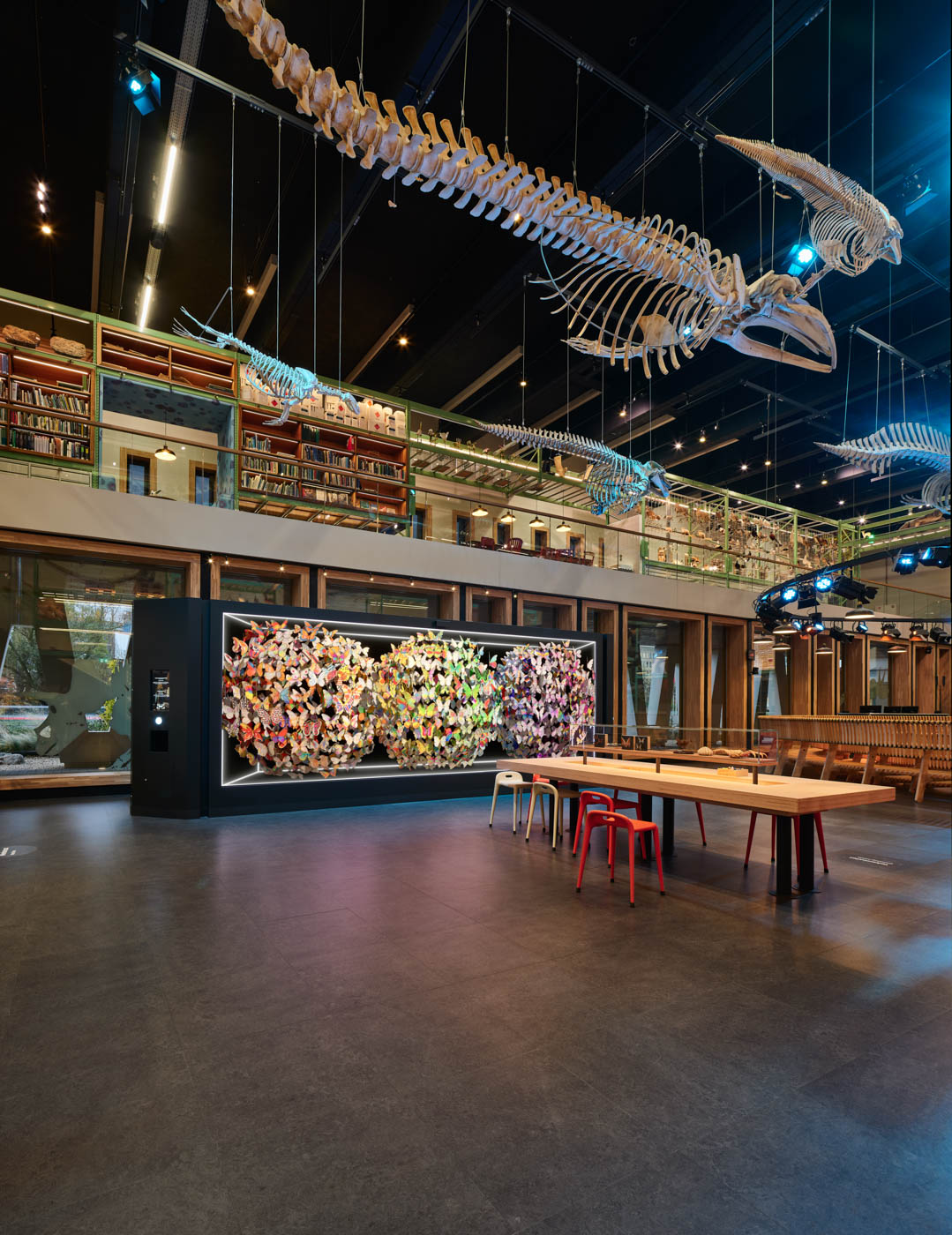
Naturalis Biodiversity Center, Leiden
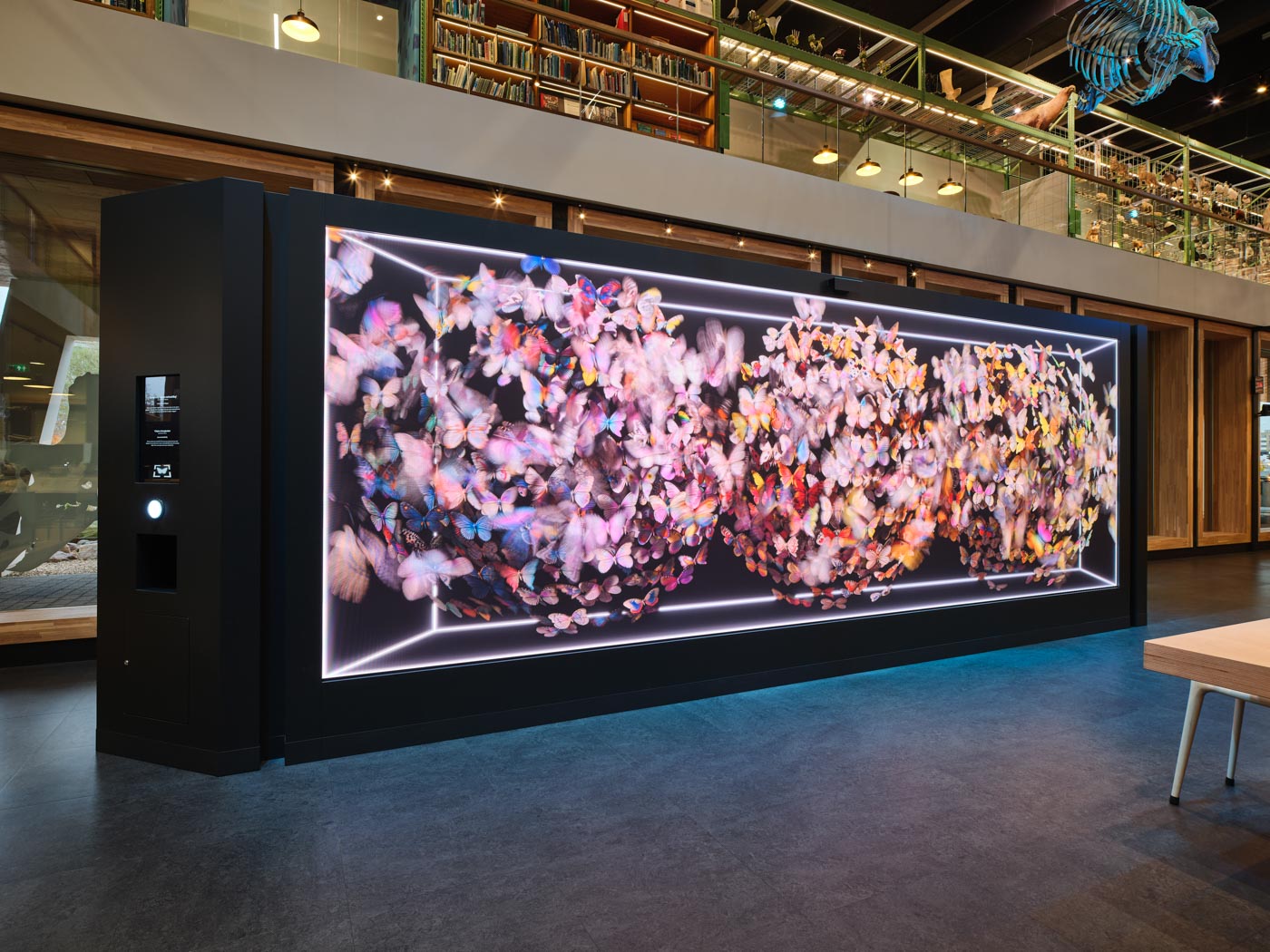
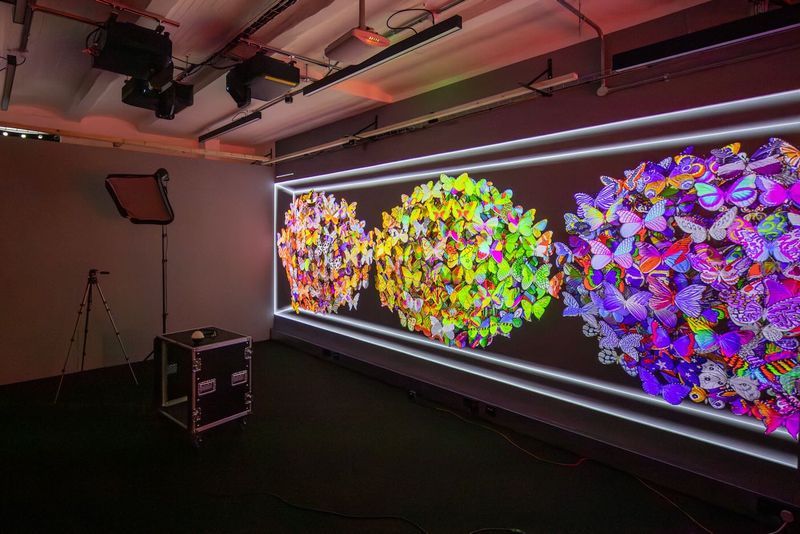
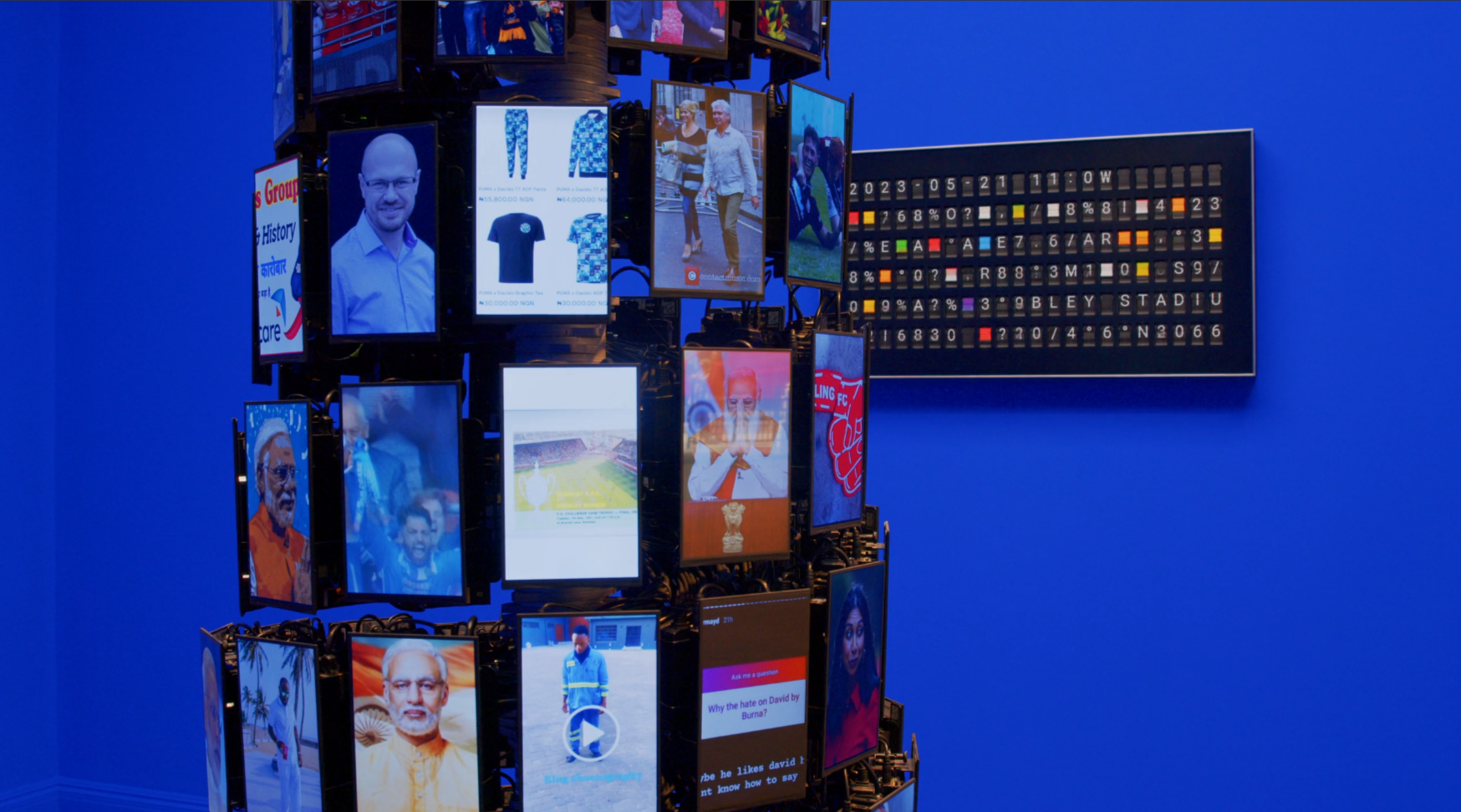
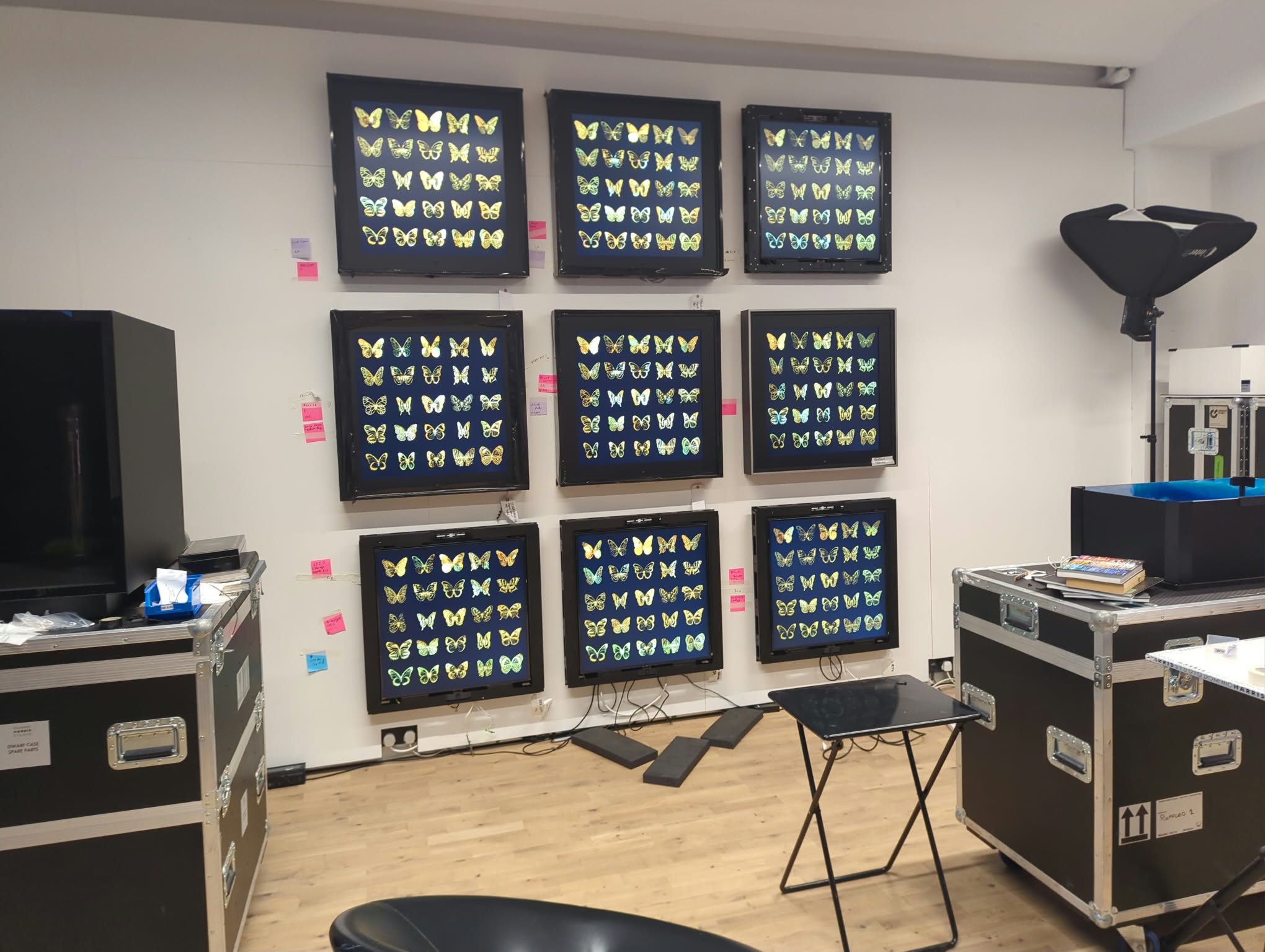
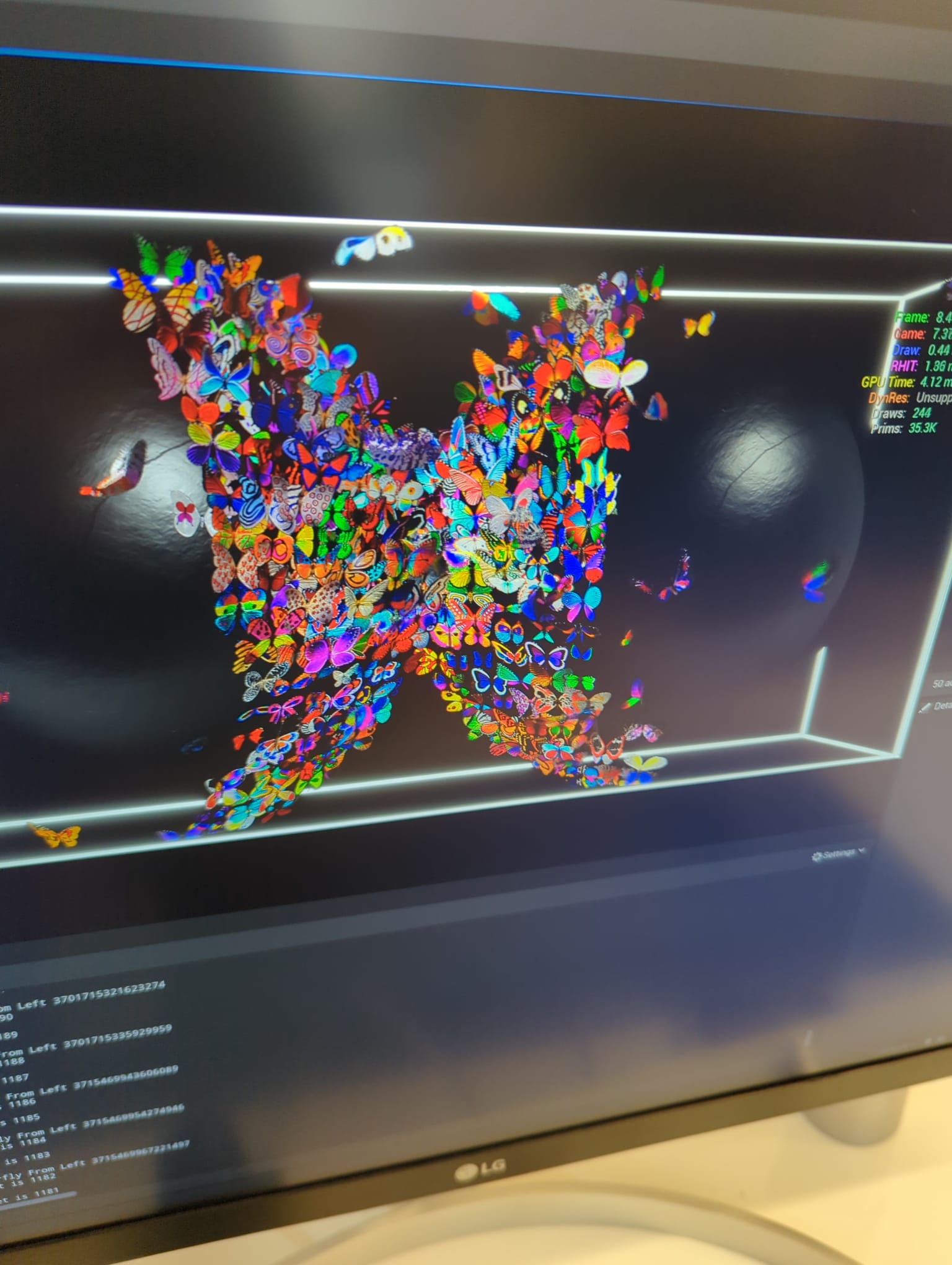
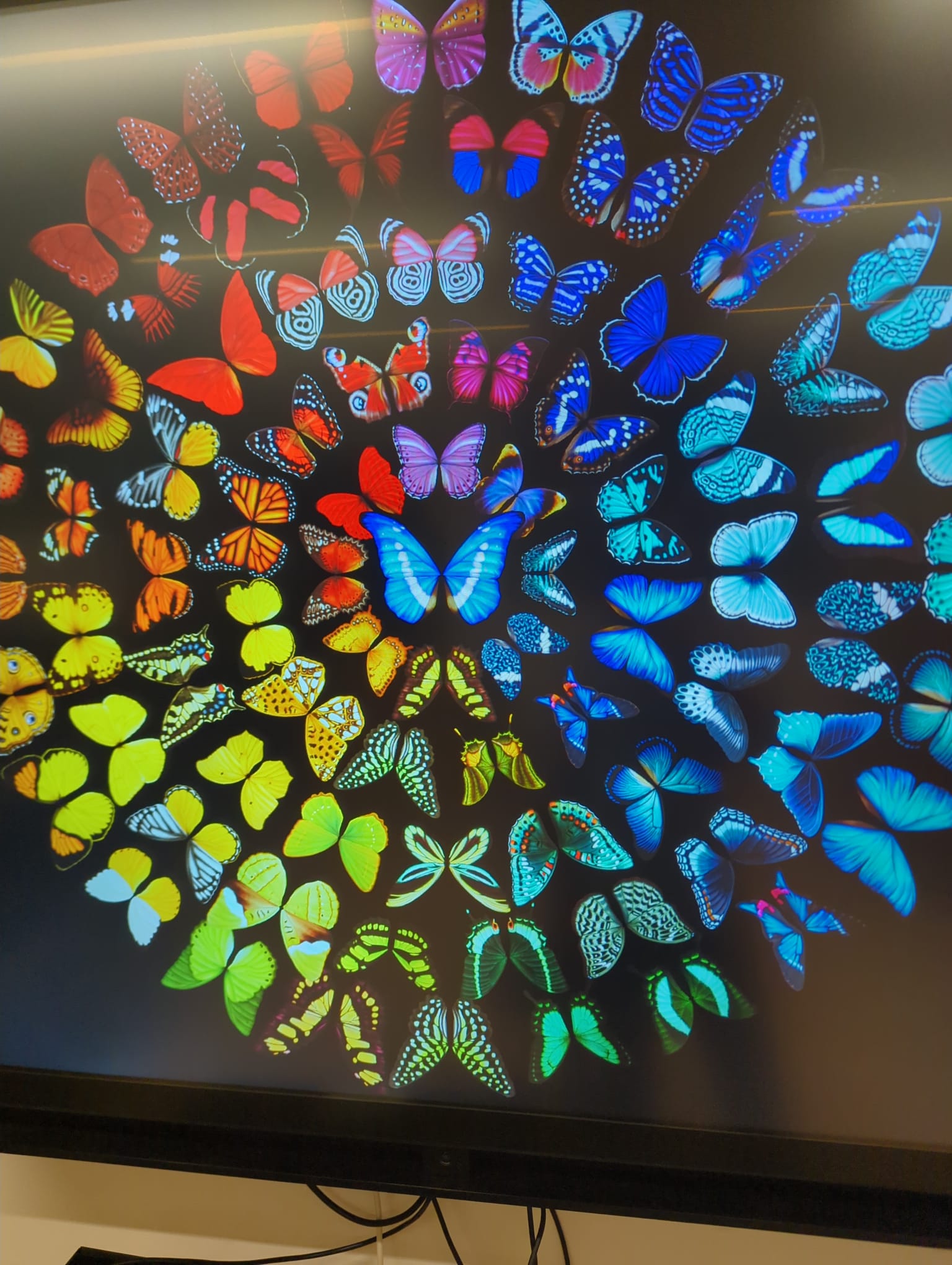
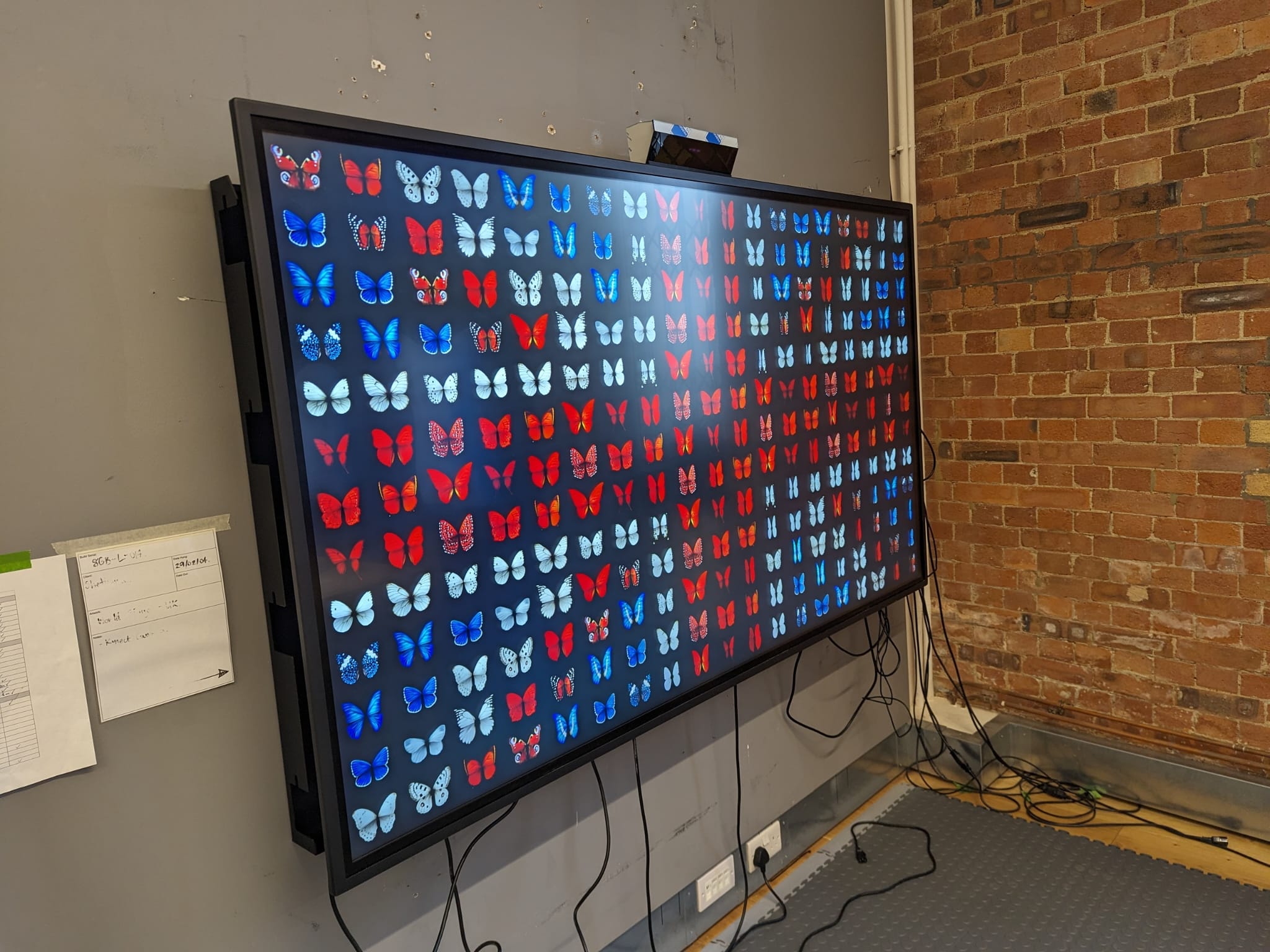
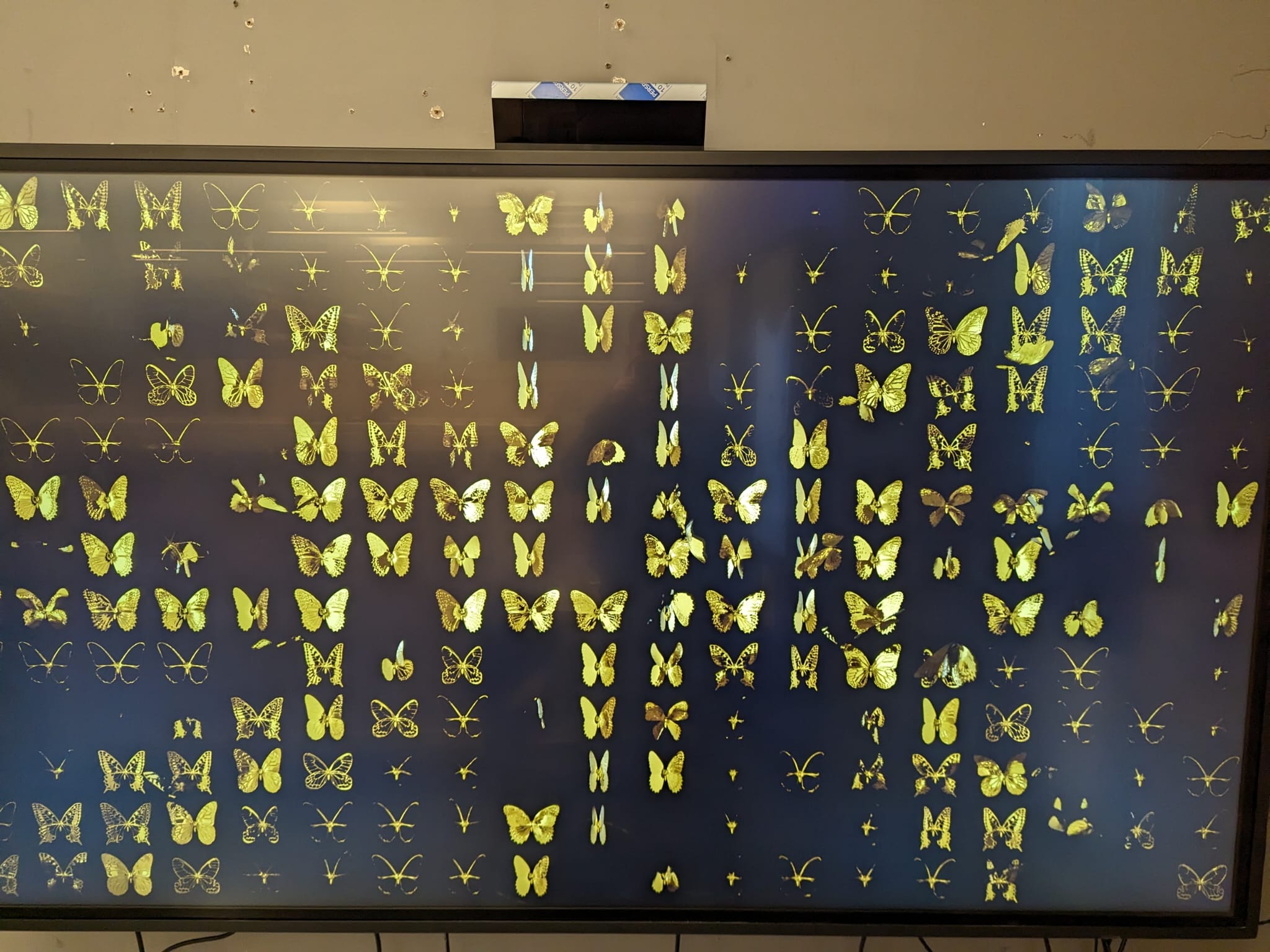
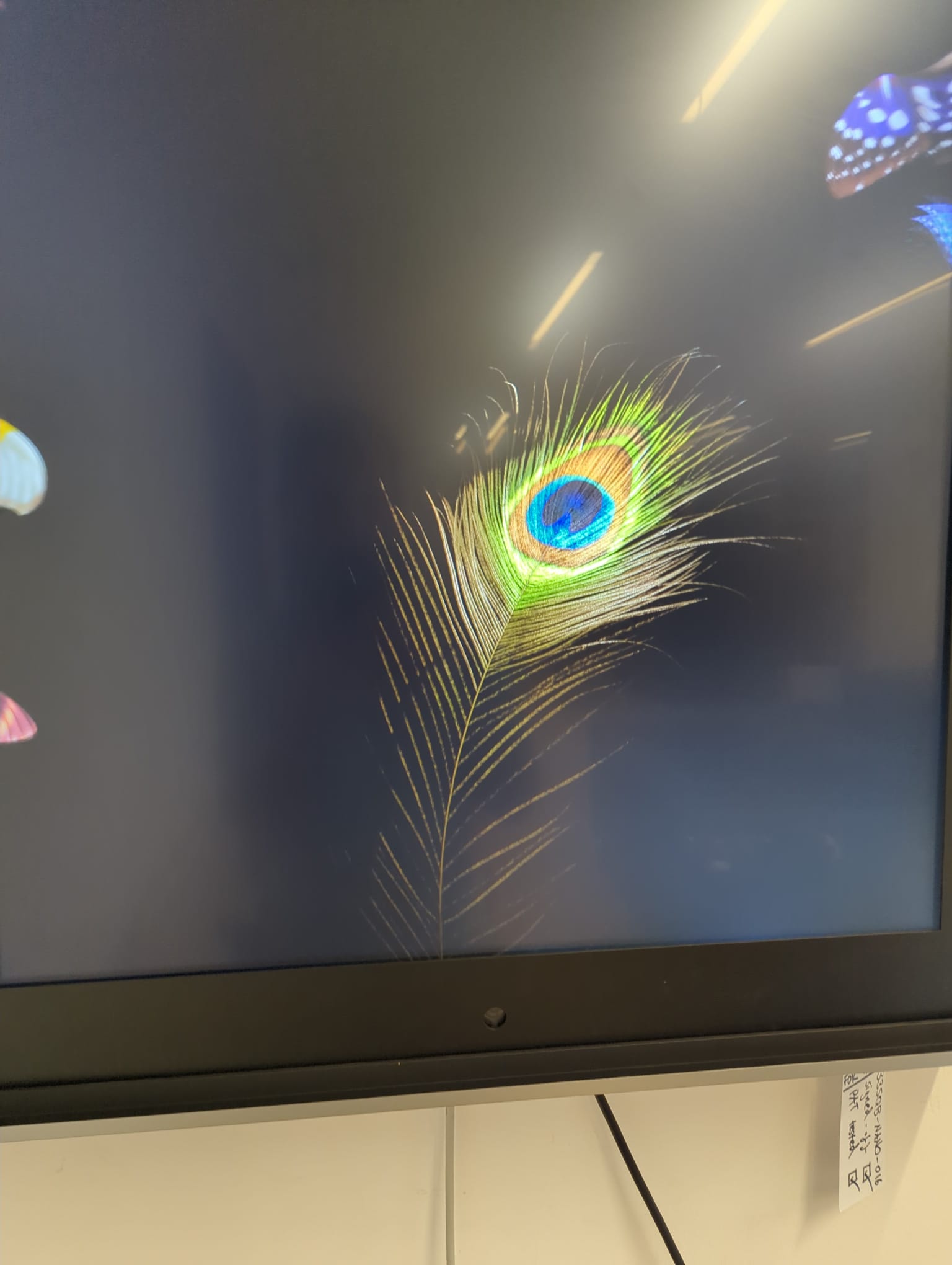
The highest profile project would be "Origins of Imagination"
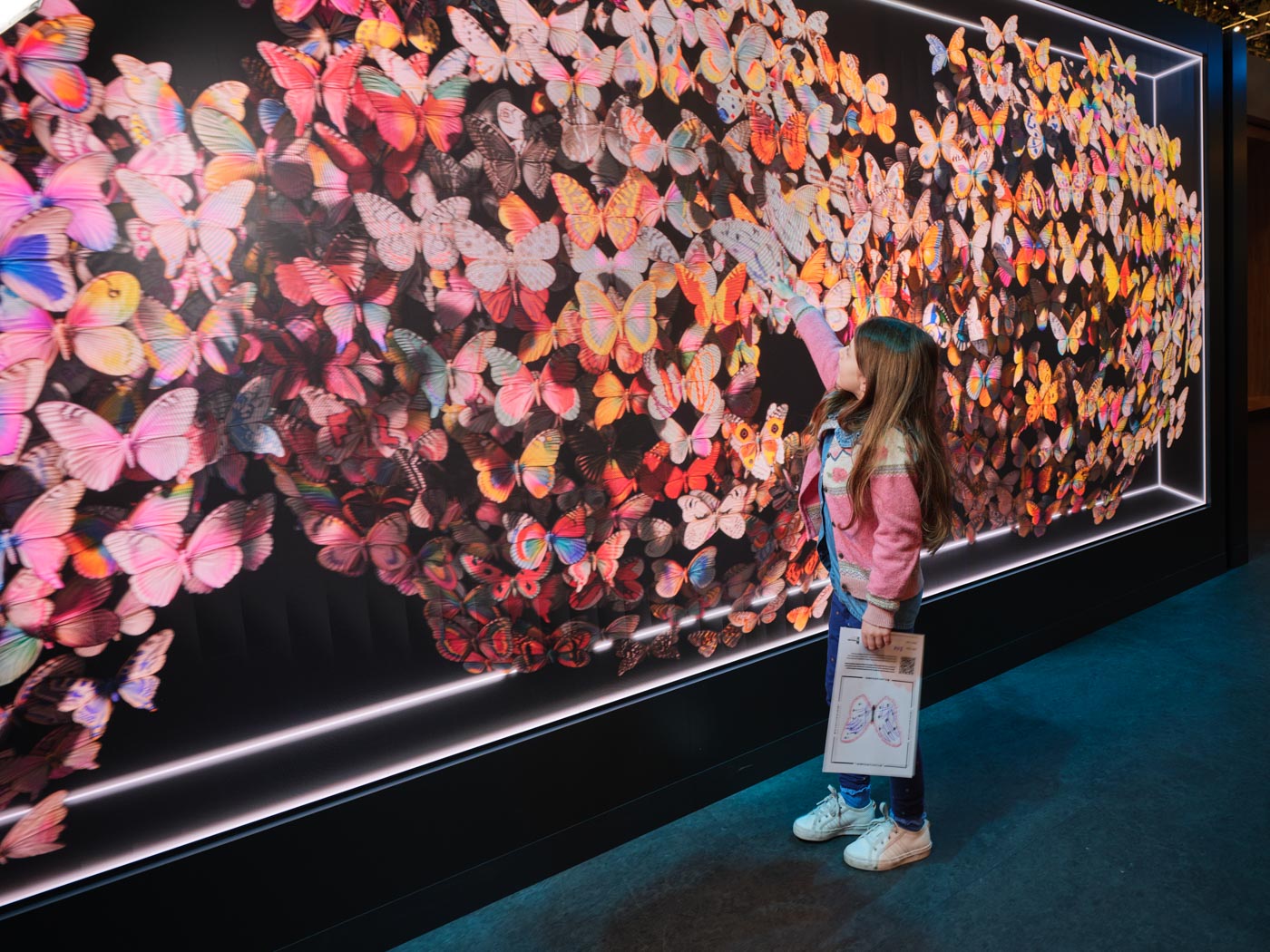
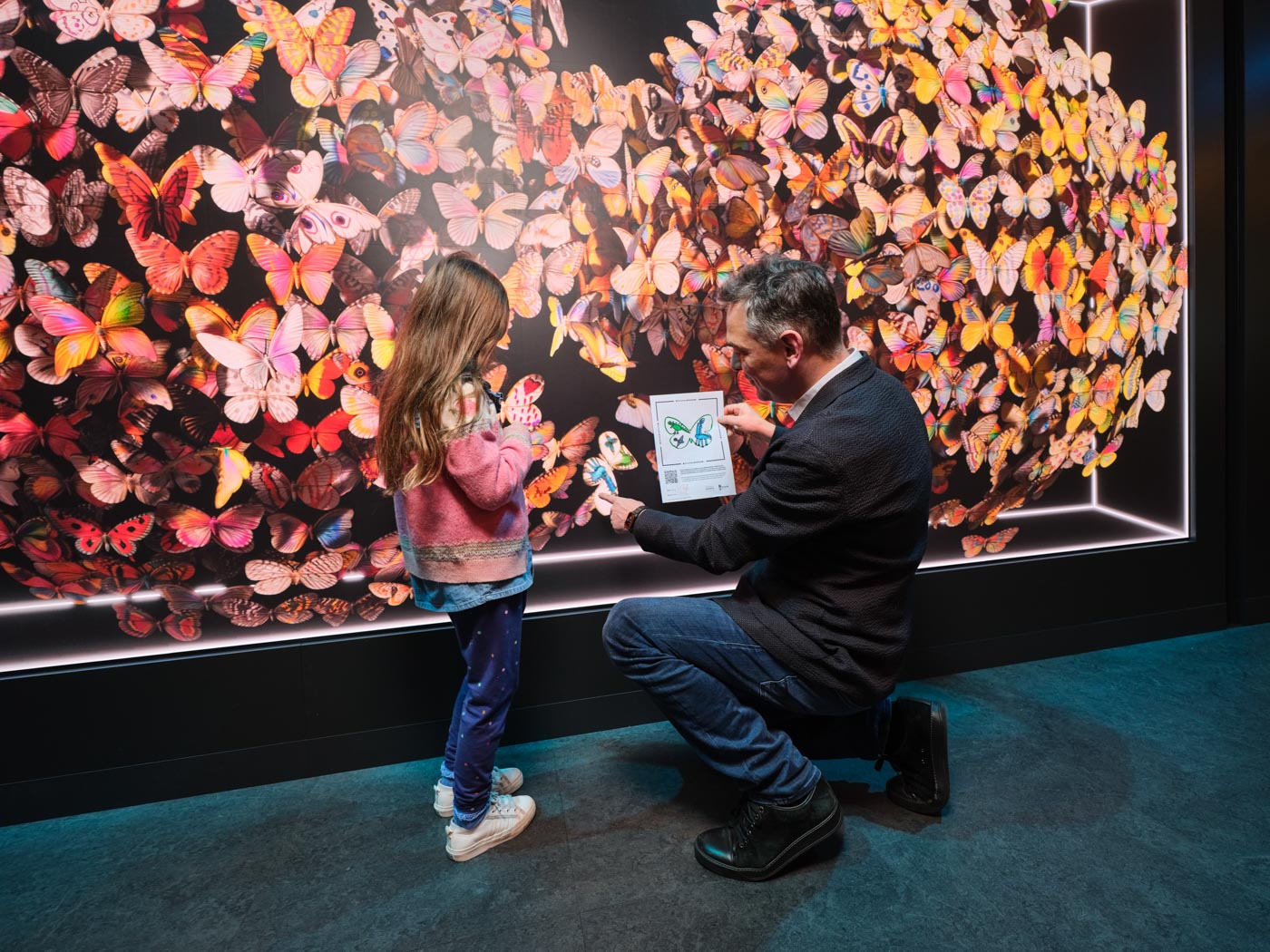
This is a popular digital art installation at the Naturalis Biodiversity Center in Leiden and sees hundreds of visitors daily.
My most important contribution
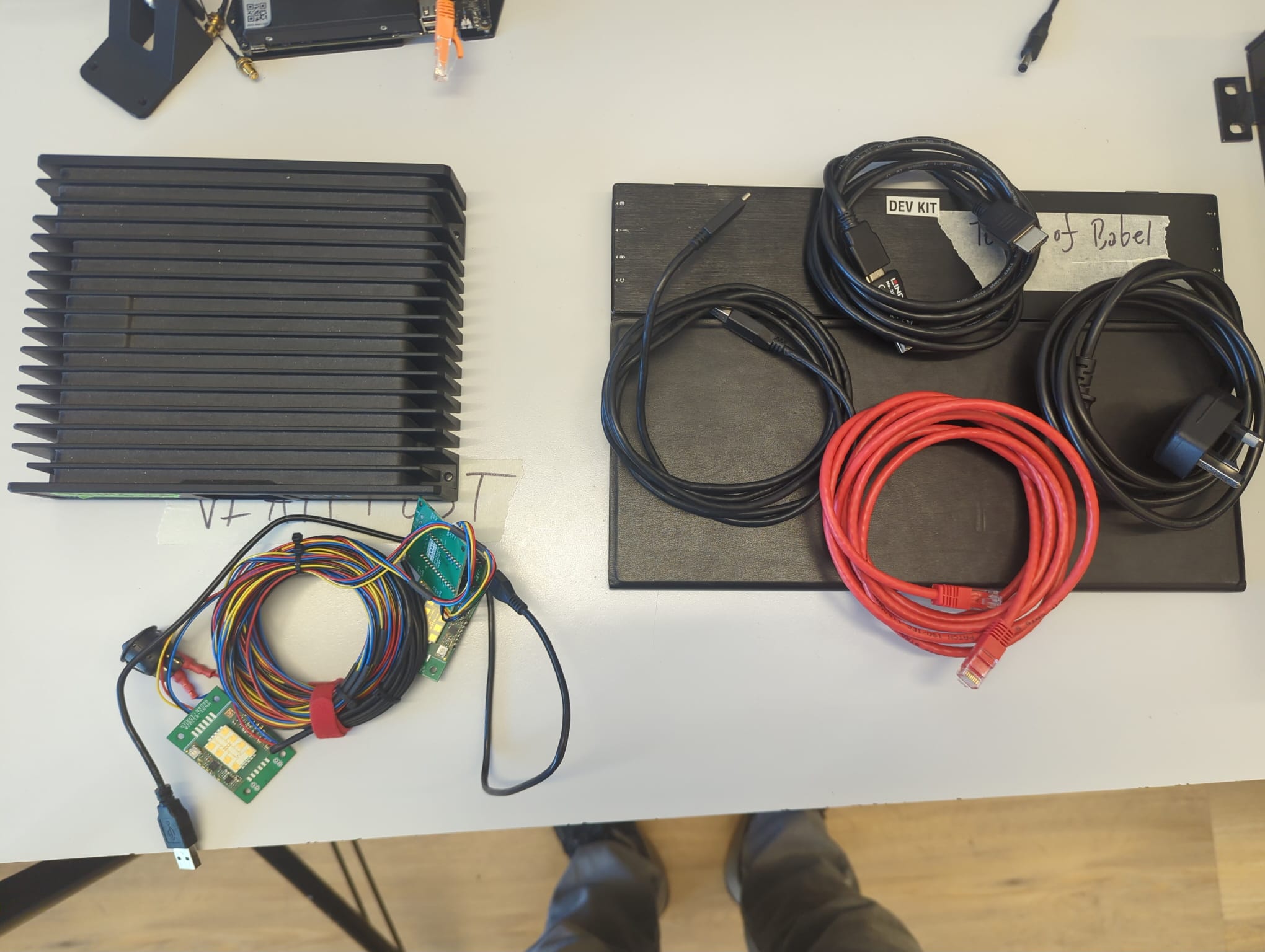
- The software to translate the LiDAR scans into usable touch points (Python).
The points get fed into a plugin I wrote for Unreal Engine (C++) that translates them into its internal touch point representations.
- The orchestrator of the collection, a large Python program that receives the scans from the scan nodes and transforms into the textures used by the artwork.
It manages the entire repository of butterflies, and has complete control over the sorting and coordination of the set of butterflies on display.
It communicates with the artwork via a C++ plugin I also wrote.
Immersive Installation Tooling
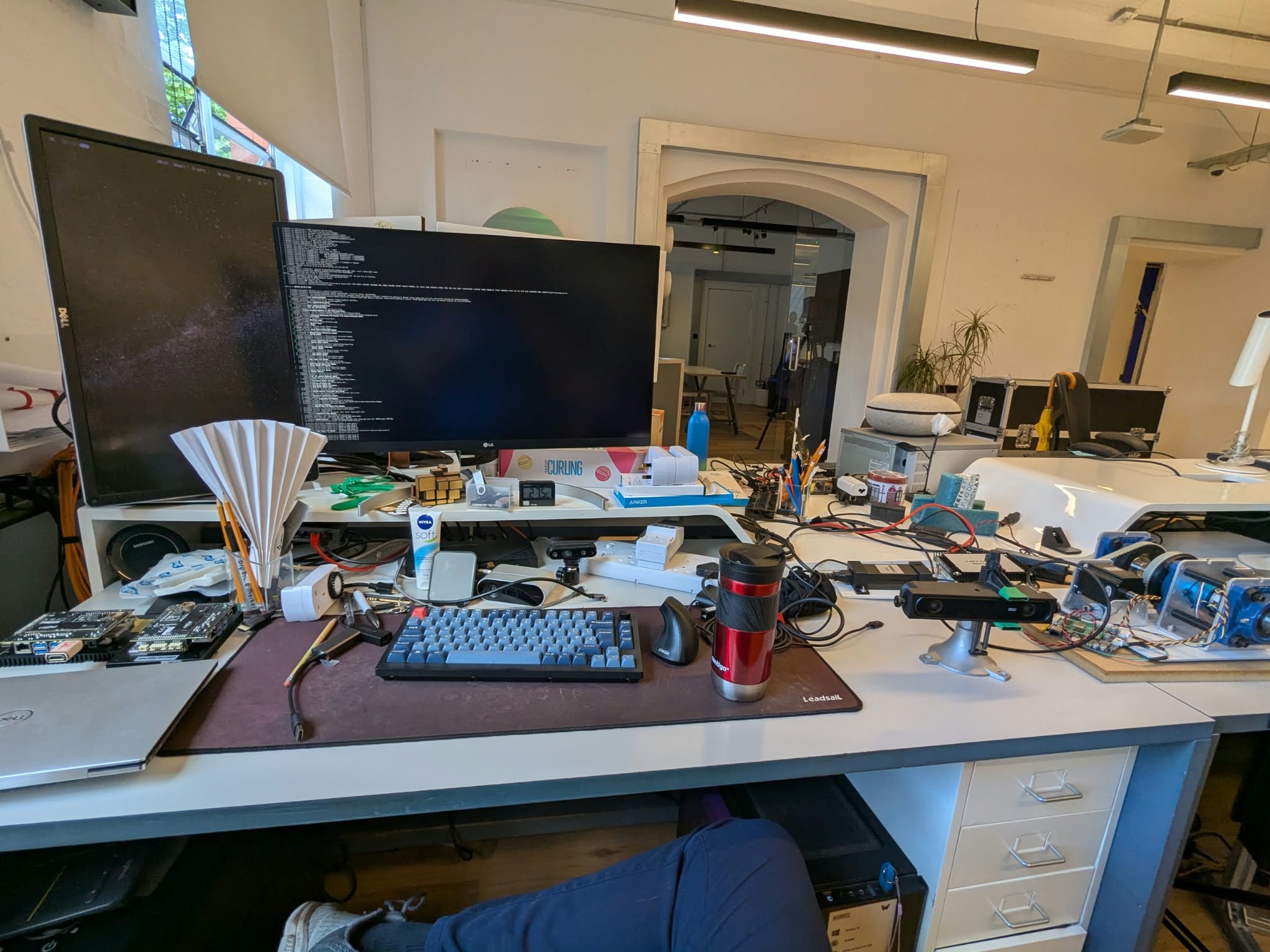
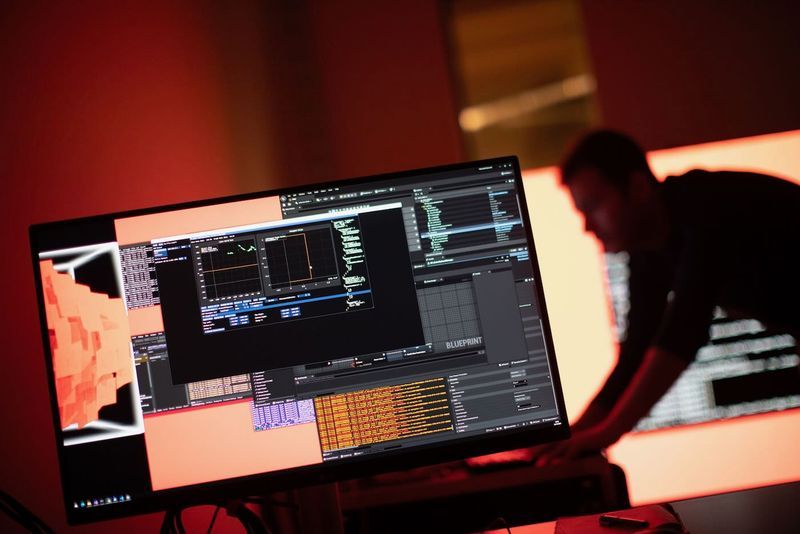
My work at the digital art studio necessitated shared tooling for a multitude of large scale interactive and immersive installations.
My most important contributions
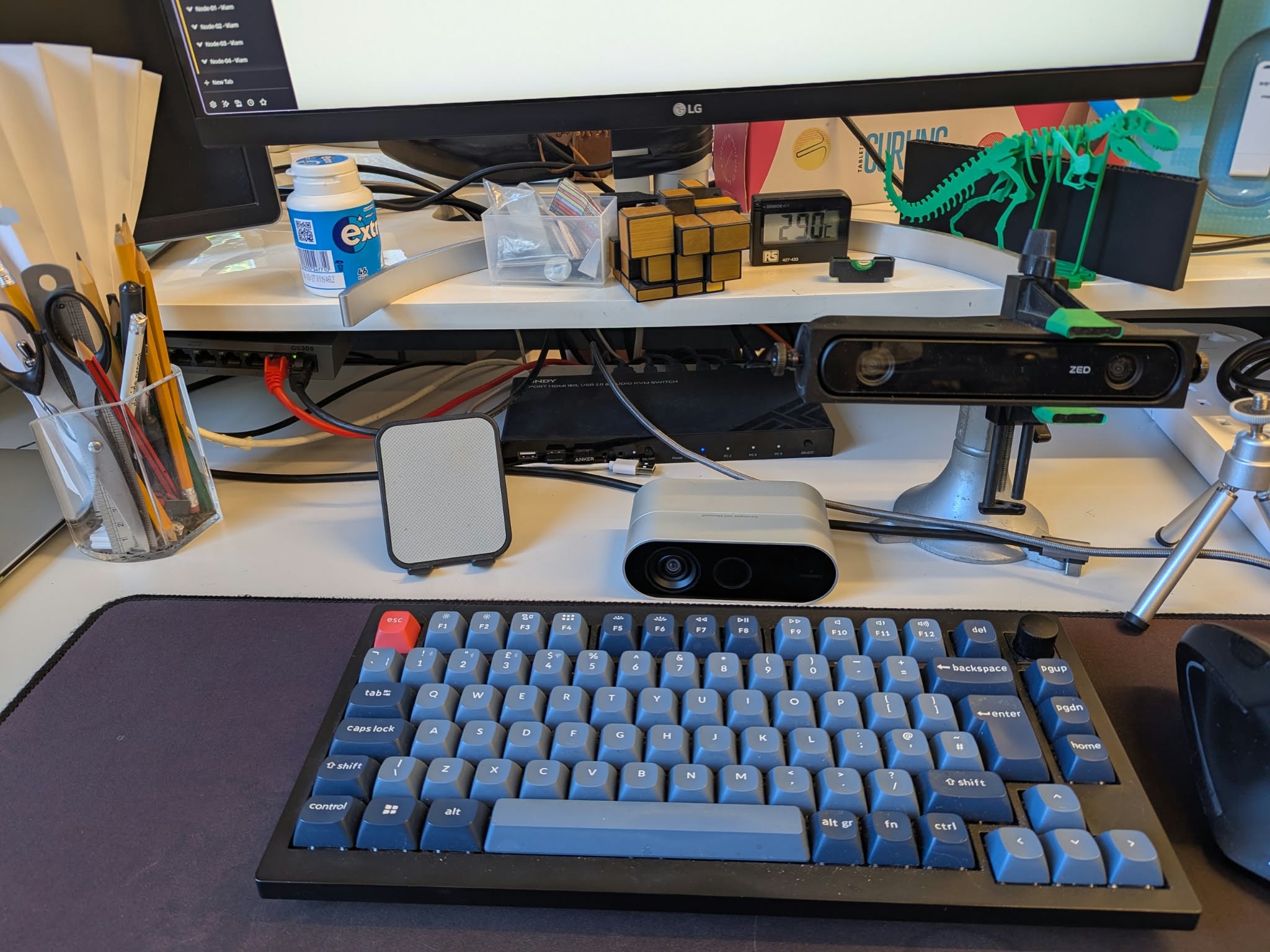
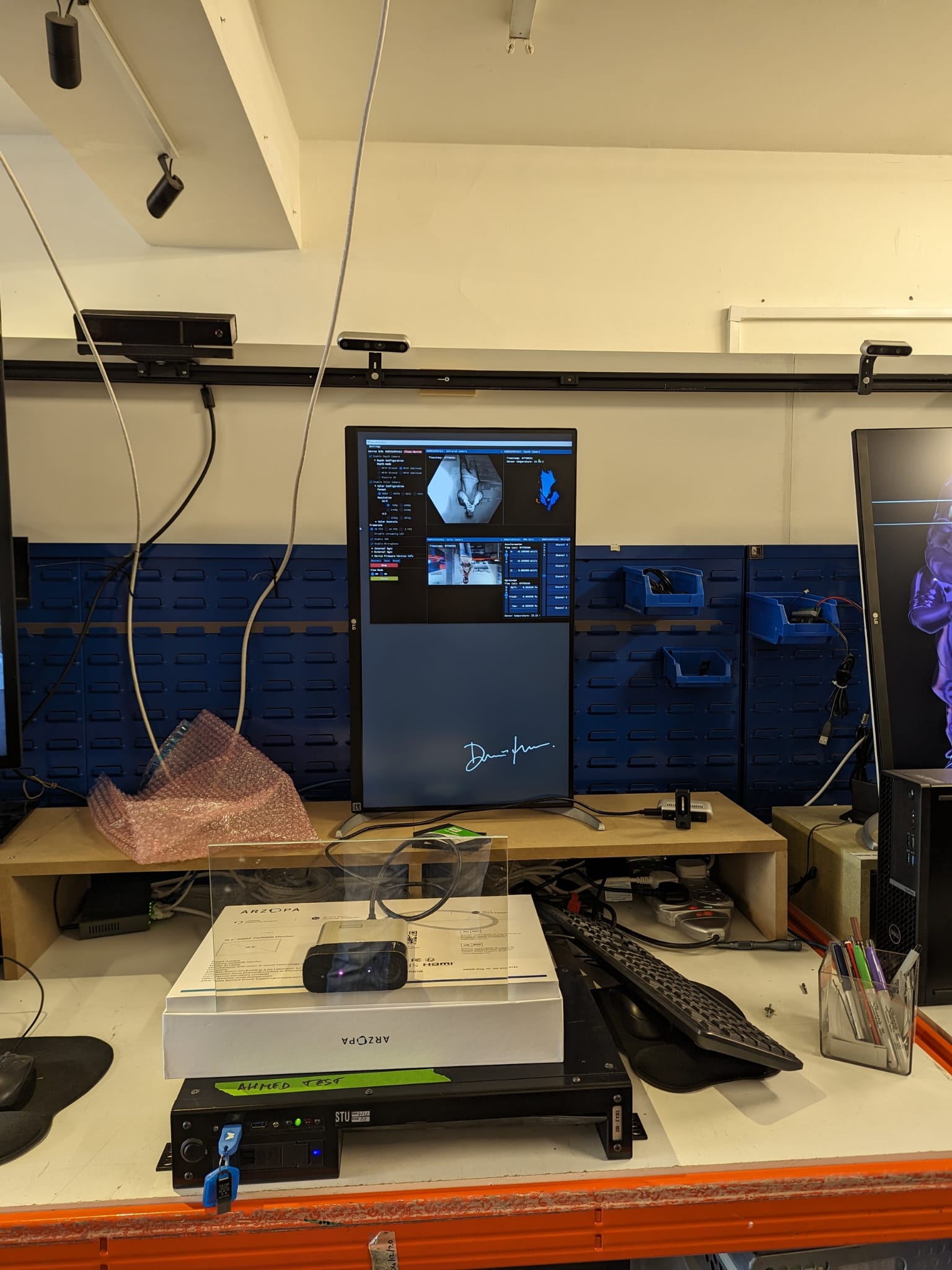
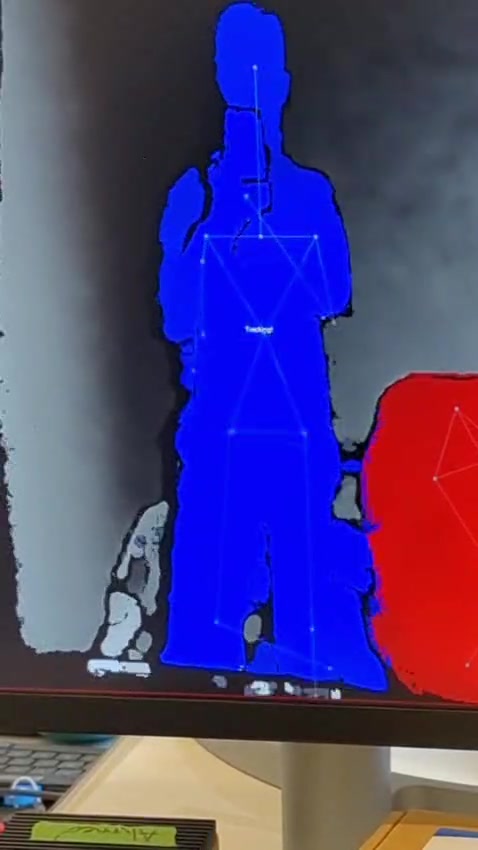
- A large Python program that allowed us to use any of several RGBD cameras to extract spatial and body-tracking data.
It needed to be flexible enough to work in a variety of spaces and be configurable on demand.
In general we used eight cameras per installation. We worked with the Kinect Azure, Orbbec, RealSense, and the Zed2i.
I also wrote an accompanying C++ plugin for the Unreal Engine artworks and a C# plugin for the Unity artworks.
- A Python program for translating live LiDAR scans with surface interactions and potential touch points.
(As in Origins of Imagination)
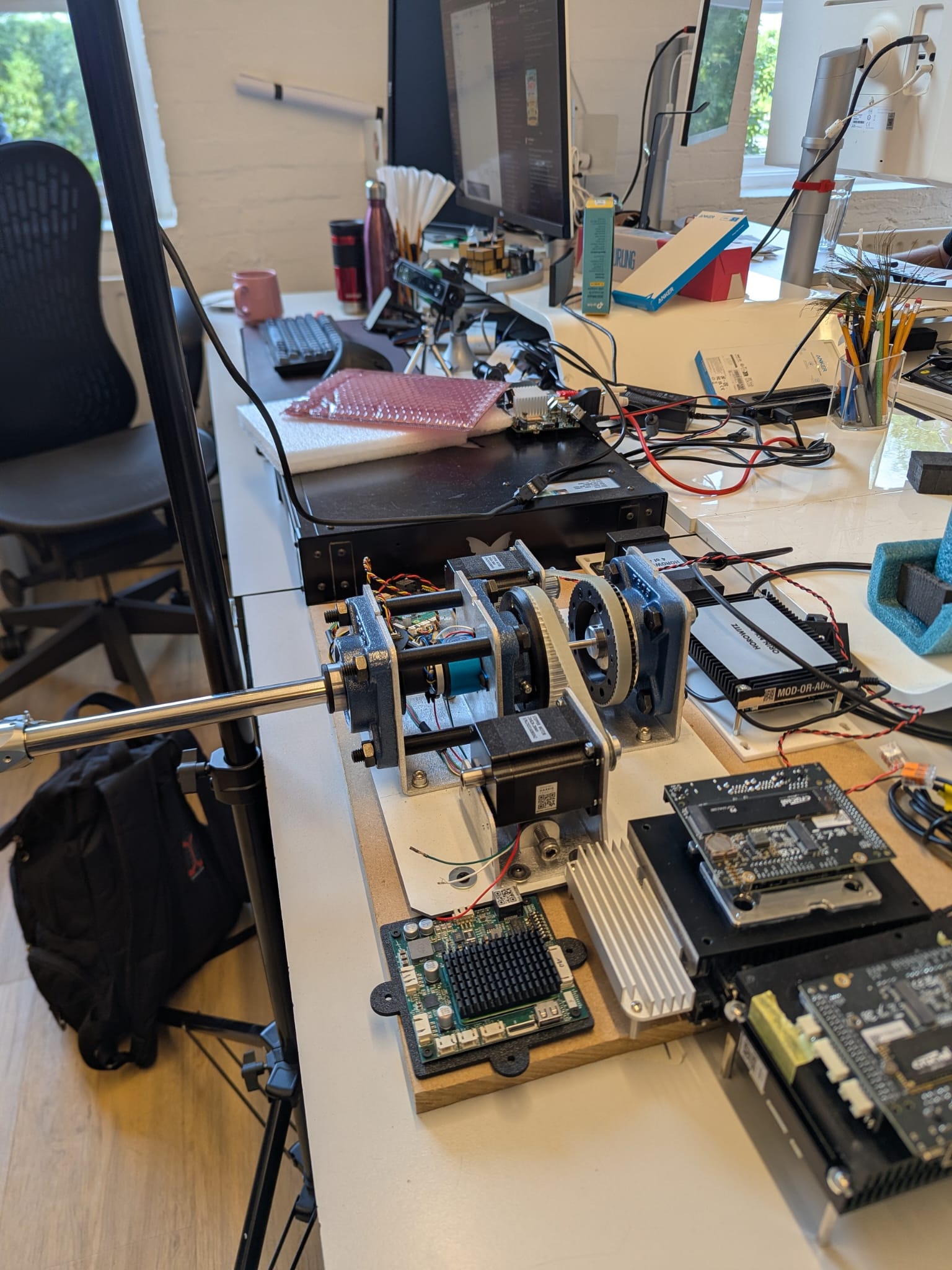
I've worked on projects involving kinetic installations. One such project, is a piece that used special chromatic disks to reflect static lights around a room. The disks' movements scatter light on and around people in the space.
My most important contributions
- The small python program running on the PI controlling the disks to control the motors
- The space-mapper, a C++ program running on a separate machine to read the data from the cameras and prepare a reliable map of the space and the people in it.
- The orchestrator, a C++ program responsible for coordinating the disks with the lights with the people in the space.